Empowering communities with digital technologies for sustainable development
Since our inception in December 2005, we have been dedicated to empowering communities across Uganda with knowledge, leadership skills, and innovative solutions that drive positive change.
Jinja City Waste Management Stakeholder Engagement
Effective city waste management requires structured collaboration between local governments, private companies, community-based organizations, and residents
Click Here
WHO WE ARE
We empower the Ugandan and East African communities with quality knowledge, leadership capacity, and innovative digital solutions.
Established in December 2005, ToroDev’s mission is to create a society that is well-informed and civically engaged, enabling individuals to take charge of their own development processes. Dedicated to empowering communities ccross the Eastern Africa region by fostering knowledge, leadership skills, and innovative solutions that drive sustainable development.
0
Years of experience in multi-donor and partners' supported programs and project management.
0+
Key multi-million dollars' funded projects in action research and digital innovations solutions development.
0+
Professional experts in project management, data & AI governance, research, M&E, education & skilling, health & well-being and public policy analysis.
Our Strategic Objectives
Promote Evidence-Informed Governance Processes
We use digital technologies to advocate for effective and responsive public governance – including public policymaking processes, that are informed by solid evidence from analyzed quality data/facts, leading to improved service delivery in for inclusive urbanization, education, health, and social justice.
Invest in Innovation and Entrepreneurship Development
We develop and promote innovative solutions, particularly in the realm of digital technology, to address some of the world’s most pressing development challenges as withnessed with increased urbanization trends globally, social & environmental protection and responsible economic sustainability.
Enhance Education Standards for Practical Skilling
Through advocacy and the development of appropriate practical skilling infrastructure, we work to improve relevant and context-specific education standards. Our goal is to develop a competitive human resource capacity that is well-equipped to meet the demands of the modern world.
Improve Healthcare Practices & Systems for Citizens' Well-being to be more productive
We advocate for better healthcare services through the use of quality data and digital technology and by supporting the development of basis/essential infrastructure. Our efforts are aimed at ensuring that all individuals can practice desease preventive measures – including quality nutrition practices, and have access to the healthcare they need to lead healthy and fulfilling lives.
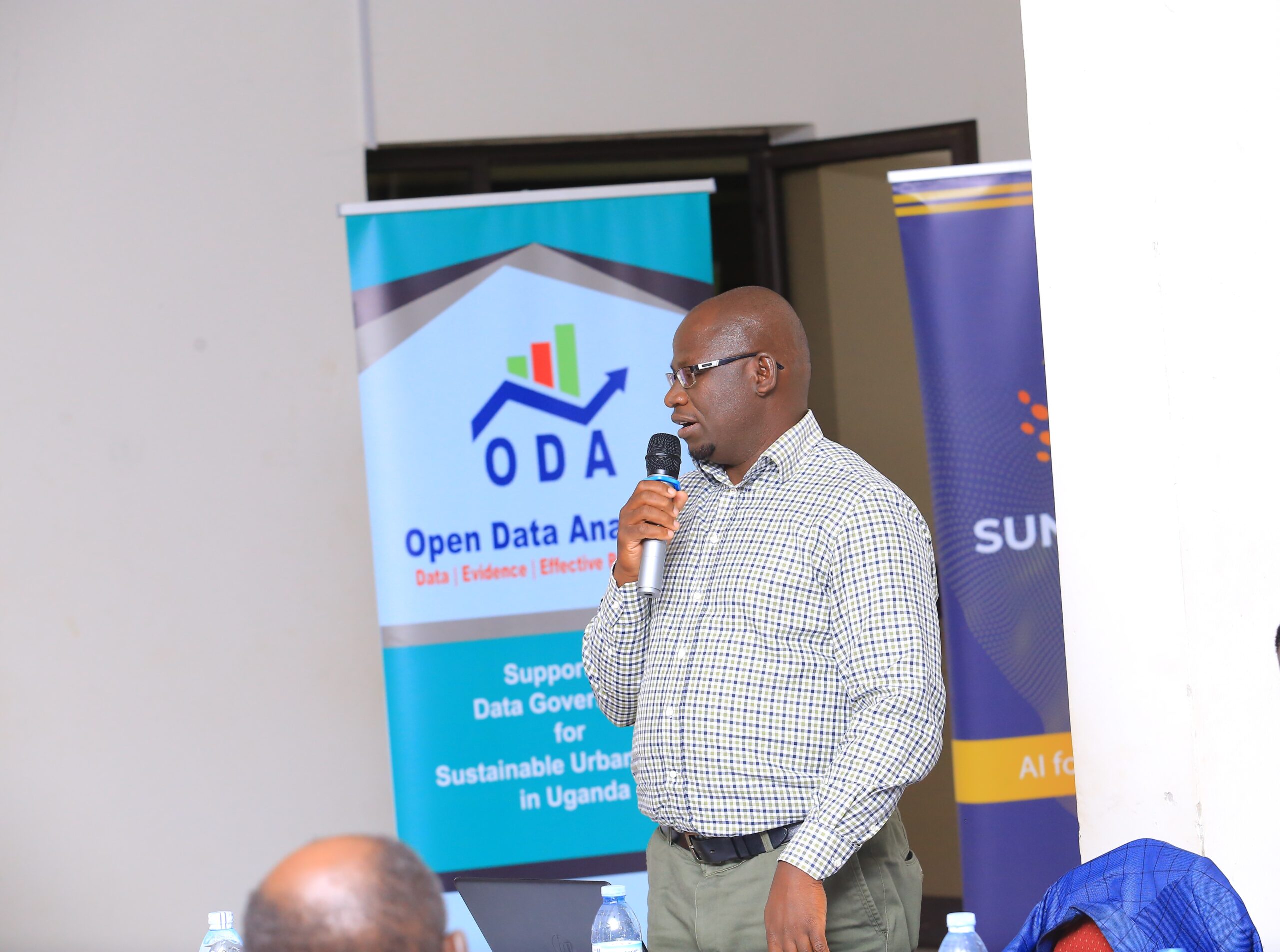
Explore Insights from ODA - The Open Data Analytics Initiative
ODA – Open Data Analytics, an initative of ToroDev & UNIRI, specialises in dedicated data science solutions that critically examine any datasets, to uncover insights to inform public policies and shape corporate strategies.
Our open-source datasets will empower you and your institution to describe, prescribe, forecast, predict the future and plan, drive transparency, boost accountability and make a meaningful impact in the communities you serve.
Dive into our resources and turn data into actionable insights for operations’ enhancement & lasting change.